How Are Temporary Tattoos Made? The Layers Inside a Fake Tattoo, Explained
Updated: Nov 19
Quick answer: A temporary tattoo is a printed design built in thin layers on special transfer paper. The paper has a coating that loosens when it gets wet. The design is printed on that coating in mirror image, a thin layer of adhesive goes over the ink, and a clear film protects the adhesive until you use it. When you press it on and wet the back, the coating lets go, and the ink and adhesive stay on your skin.
The layers, from the paper up
Backing paper. The part you hold. It soaks up water quickly so the coating on the other side can loosen.
Water-release coating. A coat on the printing side of the paper that softens when it gets wet. This is what lets the design slide off.
The printed design. The artwork itself, printed backwards so it reads the right way once it's face down on your skin.
Adhesive. A thin, clear layer over the ink. It's what holds the design to your skin after the paper comes away.
Clear protective film. Keeps the adhesive clean and from sticking to everything. It's the first thing you peel off.
How they're made, step by step
Prep the art. The design is finished digitally, then flipped to a mirror image.
Start with coated paper. Transfer paper with a water-release coating is the base.
Print the design. Large runs are usually printed on commercial presses, such as offset or screen printing. Small runs and home sheets can be printed digitally.
Add the adhesive. A clear adhesive is coated or printed over the ink and dried.
Seal, cut, and pack. A clear film goes over the adhesive, then the sheets are cut to size and packed.
Exact materials and methods vary by manufacturer, but that's the basic build.
What the layers mean when you wear one
Skip lotion before you apply. It sits between your skin and the adhesive, so the design has a harder time grabbing on.
Peel the clear film first. Leave it on and the adhesive never touches your skin.
Wet the back all the way, then wait. Lift the paper before the coating lets go and part of the design stays on the paper.
Expect wear where skin bends. The ink layer is thin, so stretching and rubbing break it down faster.
Use oil to take it off. Oil loosens the adhesive, which is why it beats scrubbing.
The Founder Interview
A conversation with Jeff Schuette, aka Jeff Shooty, owner of FakeTattoos.com
Q. Straight answer. How is a temporary tattoo made?
Jeff: It's printed, not painted on. You start with transfer paper that has a coating that dissolves in water. The design gets printed onto that coating, a thin layer of adhesive goes over the ink, and a clear sheet seals it.
Think of it like a thin sandwich. Paper on the bottom, then the coating, the ink, the glue, and a clear sheet on top.
Q. Why is the design printed backwards?
Jeff: Because it goes on face down. The ink side touches your skin, so the image has to be flipped on the paper to read right once it's on you. Same idea as a rubber stamp.
That's why lettering looks wrong on the sheet. It's supposed to.
Q. What's the clear plastic sheet for?
Jeff: It protects the adhesive. Without it, the sticky side would pick up dust, lint, and the other sheets in the pack.
If you forget to peel it, the design has nothing to grab your skin with. That's one of the first things to check when a tattoo doesn't transfer. The guide to applying temporary tattoos walks through every step in order.
Q. Why does water make it work?
Jeff: Water softens the coating between the paper and the ink. Once that coating lets go, the paper slides off and the adhesive holds the design on your skin.
That's all it is. No needles and nothing sharp, which is why temporary tattoos don't hurt to put on. Just give the water enough time before you lift the paper.
Q. What does that have to do with cracking or fading?
Jeff: What's left on your skin is a very thin layer of ink and adhesive sitting on top. Spots that bend and rub all day stretch that layer until it splits. Lotion and body oils weaken the adhesive, so edges start to lift.
If that's happening to you, here's why temporary tattoos crack or peel and what to change. Our fake tattoos use non-toxic, skin-friendly ink and are made to last up to a week, and treating those layers right is how you get there.
Q. And taking one off?
Jeff: Same idea in reverse. Oil loosens the adhesive, so work some in and let it sit for a minute before you wipe. Scrubbing hard just irritates your skin.
Finish with mild soap and water. The full steps are in how to remove temporary tattoos.
Q. Can you make temporary tattoos at home?
Jeff: You can. Printable temporary tattoo paper is sold for home printers, and it follows the same idea: print the design mirrored, add the adhesive sheet, cut it out, and apply.
Results vary a lot with the paper and the printer, so test one before you print a whole batch for an event.
“A temporary tattoo is a thin sandwich: paper, coating, ink, glue, and a clear sheet. Every application tip comes back to those layers.” — Jeff Schuette
Q. Thanks, Jeff.
Jeff: Anytime. Peel the clear sheet, wet the back all the way, and be patient. The layers do the rest.
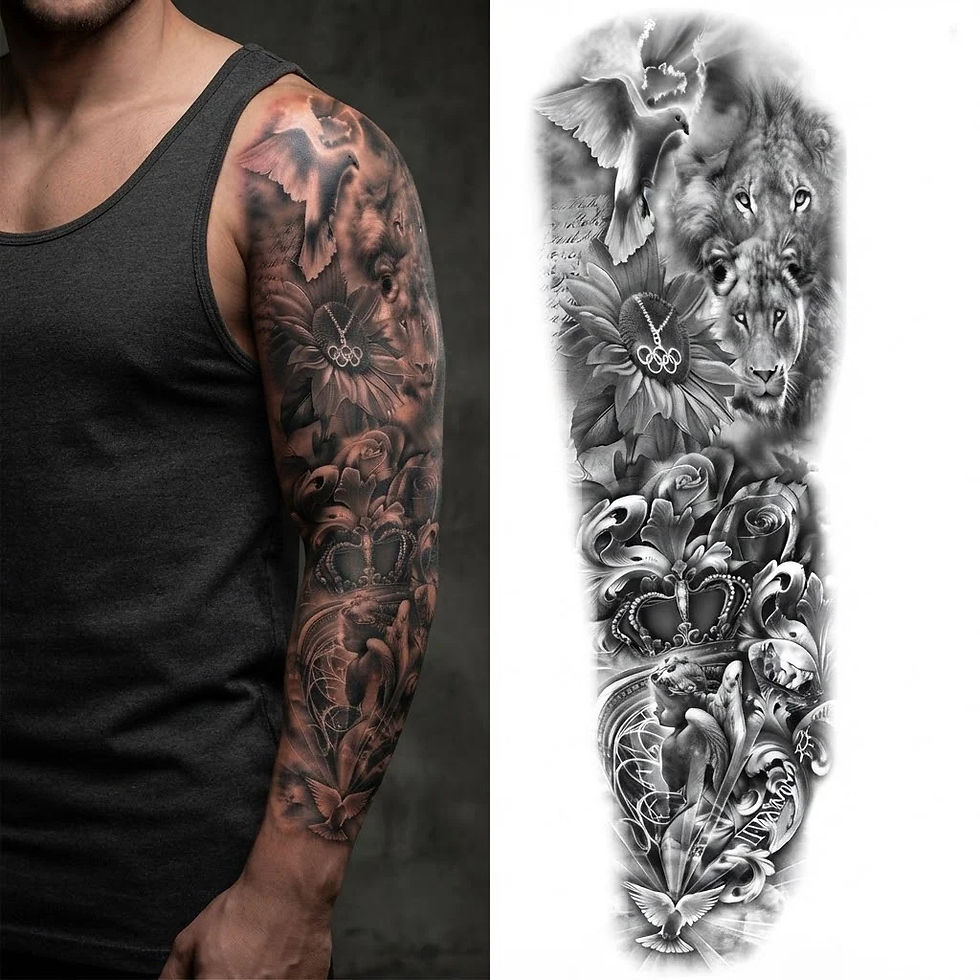
Want to see the finished product up close? Browse temporary tattoos from FakeTattoos.com. No needles, water-resistant, vegan, and made to last up to a week.


Comments