Why Is My Temporary Tattoo Cracking or Peeling? 6 Common Problems and How to Fix Them
Quick answer: Most temporary tattoo problems come down to three things: skin prep, wet time, and friction. Patchy or missing spots usually mean lotion on the skin, the clear sheet left on, or paper peeled too soon. Cracking usually means the skin bent or stretched before the design set. Peeling edges and fast fading come from rubbing, oil, and picking. You can't really repair a damaged one, so the fix is to take it off and reapply on clean, dry skin.
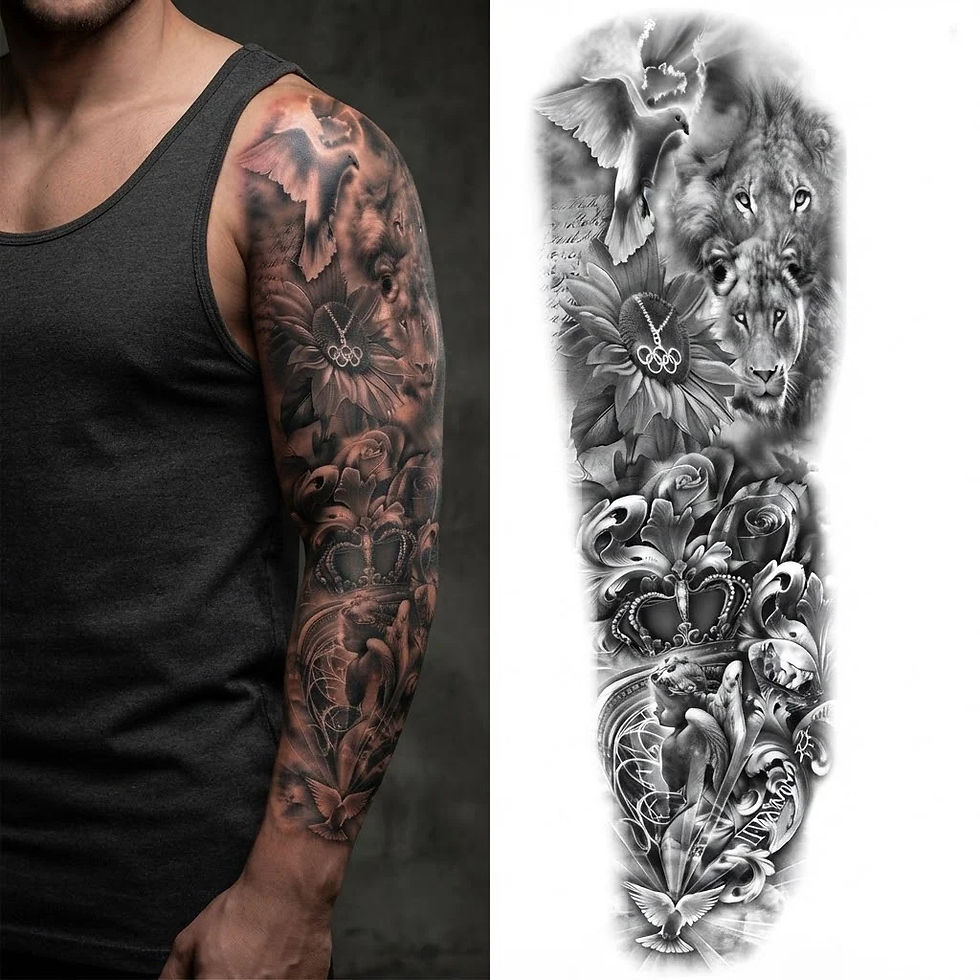
6 common problems, causes, and fixes
It won't transfer at all. Usual cause: the clear protective sheet is still on, or the paper never got fully wet. Fix: peel the clear sheet first, place it face down, and soak the backing.
Patchy or missing spots. Usual cause: lotion, oil, or sunscreen on the skin, peeling too early, or uneven pressure. Fix: start over on washed, dry skin and give it 20 to 30 seconds of wet time.
Cracking. Usual cause: a spot that bends or stretches a lot, like an elbow, knuckle, or inner wrist, or skin that moved before the design dried. Fix: pick a flatter spot and hold still while it sets.
Peeling or lifting edges. Usual cause: straps, waistbands, and sleeves rubbing the same spot, or picking at a corner. Fix: move it away from friction and leave the edges alone.
Too shiny. Usual cause: a fresh transfer can have a slight sheen, and oil on top makes it worse. Fix: a light dusting of translucent powder and no heavy lotion over the design.
Fading in a day or two. Usual cause: scrubbing, oily products, long hot soaks, and constant rubbing. Fix: pat dry, skip the washcloth on that spot, and keep oils off it.
The reset: how to reapply the right way
Take the old one off completely. Oil and mild soap work. Here's how to remove temporary tattoos without scraping.
Wash and dry the spot. Mild soap, warm water, then pat it fully dry. No lotion, oil, or sunscreen.
Pick a flat, low-friction spot. Outer forearm, upper arm, shoulder, or calf usually beat joints and hands.
Peel the clear sheet and place it face down. Don't slide it around once it touches skin.
Wet it fully and wait. Soak the backing for 20 to 30 seconds and press firmly across the whole design.
Peel slowly, then hands off. Let it air dry, keep that skin still, and don't pick at it for the first few hours.
The Founder Interview
A conversation with Jeff Schuette, aka Jeff Shooty, owner of FakeTattoos.com
Q. What's the most common reason a temporary tattoo goes wrong?
Jeff: Usually it's the prep, not the tattoo. Lotion, body oil, sunscreen, or sweat on the skin gives the ink nothing clean to grab.
The other big one is rushing the wet step. If you peel the paper before the ink lets go, part of the design stays on the paper. That's where patchy spots come from.
Q. Why does a temporary tattoo crack?
Jeff: Skin moves. A spot that bends all day, like an elbow, a knuckle, or the inside of a wrist, stretches the design over and over until it splits.
Moving too soon does it too. If you flex that arm or pull a tight sleeve over it while it's still damp, you can crack it before it ever sets. Put it on a flatter spot and give it a few minutes to dry.
Q. Can you fix a cracked or peeling temporary tattoo?
Jeff: Honestly, not really. You can't glue a cracked edge back down and make it look like real ink again.
The clean fix is a fresh start. Take the old one off completely, prep the skin, and put on a new one. That's why it's smart to keep a spare on hand. Grab a couple of extra fake tattoos if it's for a trip or a big weekend.
Q. Why does a temporary tattoo look shiny, and how do you tone it down?
Jeff: A fresh transfer can have a little sheen to it. Real ink sits under the skin, so shine is one of the first things that gives a temporary tattoo away.
Keep oil and heavy lotion off the design, and if you want it more matte, a light dusting of translucent powder helps. Go easy. Too much powder looks cakey. There are more tips in how to make temporary tattoos look real.
Q. Why do the edges peel before the middle?
Jeff: Edges take the most friction. A shirt cuff, a bag strap, or a waistband rubs the same line all day, and the corners give first.
Picking makes it worse. Once a corner lifts, people play with it, and that's the end of it. Placement and hands-off are most of the fix. Here's more on how long temporary tattoos last and what wears them down.
Q. What should someone do differently next time?
Jeff: Treat the first one like practice. Notice what went wrong, whether it was prep, wet time, the spot, or friction, and change that one thing.
That's how I look at most things, not just tattoos. A bad application isn't a big deal. Figure out what worked, then repeat it. The full step-by-step is in the guide to applying temporary tattoos.
“Don't beat yourself up. Keep making mistakes until you get it right. When you get it right, repeat what you get right.” — Jeff Schuette
Q. Thanks, Jeff.
Jeff: Anytime. Clean skin, full wet time, and hands off. Most problems go away with those three.
Ready for a fresh start? Browse temporary tattoos from FakeTattoos.com. No needles, water-resistant, and made to last up to a week with the right care.
Keep reading: how to apply temporary tattoos · how long temporary tattoos last · how to remove temporary tattoos · how to make temporary tattoos look real


Comments